In the wake of high-profile data breaches, the importance of web application security has never been more evident. Recent incidents, such as the massive breach at a major online retailer, exposed millions of user accounts and highlighted significant vulnerabilities in web applications. As the digital world continues to expand, securing web applications becomes important.
This article explores the key principles and techniques for building secure web applications to safeguard against cyber threats.
Understanding Web Application Security
Web application security involves protecting websites and online services against various security threats that exploit vulnerabilities in an application’s code. These threats can lead to unauthorized access, data breaches, and other malicious activities. Common threats include SQL injection, cross-site scripting (XSS), cross-site request forgery (CSRF), and data breaches.
Common Threats:
- SQL Injection: Attackers manipulate a web application’s database query to gain unauthorized access to data.
- Cross-Site Scripting (XSS): Malicious scripts are injected into trusted websites, affecting users who visit those sites.
- Cross-Site Request Forgery (CSRF): Unauthorized commands are transmitted from a user that the web application trusts.
- Data Breaches: Sensitive data is accessed, disclosed, or stolen by unauthorized individuals.
The significance of integrating security throughout the development lifecycle cannot be overstated. By embedding security from the ground up, developers can build robust defenses against these common threats.
Key Principles of Building Secure Web Applications
Principle of Least Privilege
Limiting access rights for users to the bare minimum permissions they need reduces the potential damage from compromised accounts. This principle ensures that users and systems can only perform actions necessary for their roles.
Defense in Depth
Layering multiple security measures provides multiple barriers against attacks. If one layer is breached, the subsequent layers continue to offer protection, minimizing the risk of a full-scale compromise.
Input Validation and Output Encoding
Validating all user inputs prevents malicious data from being processed, while output encoding ensures that data sent to the browser is secure. These practices are crucial for preventing injection attacks like SQL injection and XSS.
Secure Authentication and Authorization
Implementing robust authentication mechanisms (e.g., multi-factor authentication) and ensuring proper authorization checks help verify user identities and restrict access to sensitive resources.
Data Protection
Encrypting sensitive data both in transit and at rest protects it from unauthorized access and tampering. Encryption ensures that even if data is intercepted or accessed, it remains unreadable without the appropriate decryption keys.
Essential Techniques for Web Application Security
Secure Coding Practices
Adopting secure coding guidelines, such as using prepared statements and avoiding insecure deserialization, helps mitigate common vulnerabilities. Secure coding practices are fundamental to building secure applications.
Use of Security Frameworks and Libraries
Using established security frameworks and libraries, such as OWASP’s security libraries, provides built-in security features and reduces the risk of vulnerabilities in custom code.
Regular Security Testing
Conducting regular security tests, including static code analysis, dynamic analysis, and penetration testing, helps identify and address vulnerabilities. Regular testing ensures that security weaknesses are discovered and remediated promptly.
Automated Security Tools
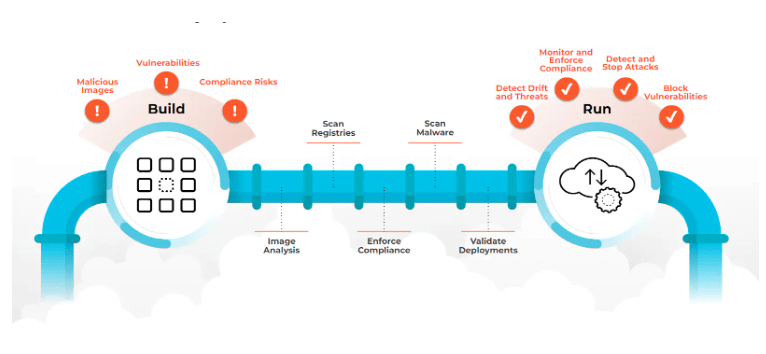
Implementing tools like Web Application Firewalls (WAFs), vulnerability scanners, and integrating security checks into CI/CD pipelines automates the detection and mitigation of security issues. Automation enhances the efficiency and effectiveness of security efforts.
Incident Response Planning
Having an incident response plan in place ensures that security breaches are quickly identified, contained, and mitigated. An effective incident response plan minimizes damage and accelerates recovery from security incidents.
Best Practices for Ongoing Security
Continuous Monitoring and Patching
Regularly monitoring web applications for vulnerabilities and promptly applying patches ensures that security weaknesses are addressed as soon as they are discovered. Continuous monitoring helps maintain a secure application environment.
Security Training for Developers
Providing regular security training and awareness programs for developers equips them with the knowledge and skills to identify and mitigate security risks. Training fosters a security-first mindset among development teams.
Secure Development Lifecycle (SDLC)
Incorporating security at every stage of the development lifecycle, from design to deployment, ensures that security considerations are integral to the development process. An SDLC approach embeds security into the foundation of web applications.
Future Trends in Web Application Security
Emerging Threats
As technology evolves, so do cyber threats. New and emerging threats in web application security require continuous adaptation and vigilance to stay ahead of attackers.
Innovative Security Solutions
Advancements in security technologies, such as AI and machine learning, are enhancing threat detection and mitigation capabilities. These technologies provide more sophisticated and proactive security measures.
Evolution of Best Practices
Best practices in web application security are continually evolving to address new threats and leverage technological advancements. Staying informed about these changes is essential for maintaining robust security.
Conclusion
Building secure web applications is an ongoing process that requires a commitment to best practices, regular testing, and continuous improvement. By adopting the key principles and techniques discussed in this article, organizations can significantly enhance their web application security and protect against cyber threats. As the digital era continues to evolve, maintaining vigilance and staying informed about emerging threats and innovative security solutions is very important. Secure web applications are not just a necessity but a foundational element of a resilient cybersecurity strategy.
Take the first step towards building secure web applications today by partnering with our cybersecurity experts. Contact us now for a comprehensive security assessment and let us help you fortify your defenses. Ensure your web applications are resilient against evolving threats and stay ahead of cybercriminals. Secure your future—act now!