In today’s interconnected digital era, where data serves as the lifeblood of businesses and organizations, ensuring its security is important. This is especially true in the world of cloud computing, where data storage, processing, and accessibility transcend traditional boundaries. Cloud security, therefore, emerges as a critical concern, encompassing practices and technologies designed to protect data and applications hosted in the cloud from unauthorized access, breaches, and other cyber threats.
Cloud computing itself has revolutionized how businesses operate by offering scalable and flexible IT resources on-demand. This paradigm shift has led to its widespread adoption across industries, empowering organizations to innovate faster and operate more efficiently. However, this shift also brings forth unique security challenges that must be addressed comprehensively to safeguard sensitive information and maintain trust among users.
Understanding Cloud Security
What is Cloud Security?
Cloud security refers to a set of policies, technologies, and controls deployed to protect data, applications, and infrastructure in the cloud environment. It encompasses various security measures aimed at ensuring confidentiality, integrity, and availability of data stored and processed in the cloud.
Key Components of Cloud Security
- Encryption: Encryption plays a vital role in cloud security by transforming data into an unreadable format that can only be deciphered with the appropriate decryption key. It ensures that even if data is intercepted or accessed by unauthorized parties, it remains unintelligible and protected.
- Access Control: Access control mechanisms define and enforce who can access specific resources and data within the cloud environment. This includes implementing principles of least privilege to restrict access based on the user’s role and necessity, thereby minimizing potential attack surfaces.
- Identity and Authentication: Identity management and authentication are fundamental in verifying the identity of users and devices accessing cloud services. Multi-factor authentication (MFA) adds an additional layer of security by requiring users to provide multiple forms of verification before gaining access.
- Network Security: Secure networking protocols and configurations ensure that data transmitted between users, applications, and cloud services remains secure and private. This includes using virtual private networks (VPNs), secure sockets layer (SSL)/transport layer security (TLS) protocols, and firewall configurations.
Differences Between Cloud Security and Traditional IT Security
Cloud security differs significantly from traditional IT security primarily due to the dynamic and shared nature of cloud environments:
- Shared Responsibility Model: Cloud providers typically follow a shared responsibility model where they secure the underlying cloud infrastructure, while customers are responsible for securing their data, applications, identities, and access management within the cloud.
- Scalability and Elasticity: Cloud environments offer scalability and elasticity, allowing resources to scale up or down based on demand. Security measures must adapt to these dynamic changes seamlessly, which differs from the static nature of traditional IT infrastructures.
- Visibility and Control: Cloud environments may present challenges in terms of visibility and control over data and infrastructure, especially in multi-cloud or hybrid cloud setups. Comprehensive monitoring and management tools are crucial to maintaining security posture across diverse cloud environments.
Best Practices for Cloud Security
Implementing robust cloud security practices is essential to mitigate risks and protect sensitive data. Here are key best practices to consider:
- Data Encryption: Encrypt data both in transit and at rest using strong encryption algorithms to protect it from unauthorized access.
- Access Management: Implement strict access control policies and regularly review permissions to ensure least privilege access.
- Multi-Factor Authentication (MFA): Require users to authenticate with multiple factors (e.g., passwords, biometrics, tokens) to enhance account security.
- Regular Security Audits: Conduct regular audits and vulnerability assessments to identify and remediate security gaps proactively.
- Data Backup and Recovery: Maintain secure backups of critical data and establish a robust disaster recovery plan to mitigate the impact of data breaches or loss.
- Employee Training: Educate employees about security best practices, phishing attacks, and the importance of data protection.
Technological Solutions for Cloud Security
Advanced technologies and tools play a crucial role in enhancing cloud security. Some notable solutions include:
- Cloud Security Platforms: Integrated platforms that provide centralized security management, threat detection, and compliance monitoring across cloud environments.
- Security Automation: Automated tools for continuous monitoring, incident response, and policy enforcement to improve security posture and efficiency.
- Machine Learning and AI: Utilizing AI-powered algorithms for anomaly detection, threat intelligence, and predictive analysis to preemptively address security threats.
Future Trends in Cloud Security
Looking ahead, several trends are shaping the future of cloud security:
- Zero Trust Architecture: Moving towards a zero-trust model where no user or device is automatically trusted, regardless of their location inside or outside the corporate network.
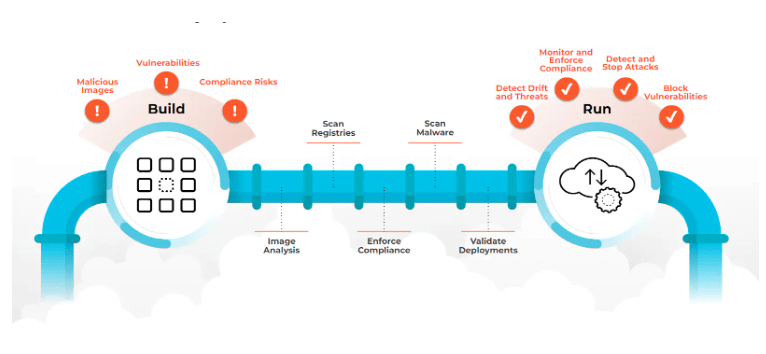
- Container Security: Enhancing security measures specifically tailored for containerized applications and microservices architectures.
- Regulatory Compliance: Adapting to evolving data protection regulations and compliance requirements, such as GDPR and CCPA.
Conclusion
In conclusion, while cloud computing offers unprecedented advantages in terms of scalability and flexibility, ensuring robust cloud security is imperative to safeguard sensitive data and maintain user trust. By understanding the unique challenges and implementing best practices and advanced technologies, organizations can effectively mitigate risks and enhance their overall security posture in the cloud.
From infrastructure to applications, ccsecurity provide a full range of security measures to help protect your cloud environment. Our team of experts uses both manual and automated testing to detect weak points while providing recommendations for immediate remediation.